Global S&T Development Trend Analysis Platform of Resources and Environment
| Reorganising the Power System for a Renewable-based Future | |
| admin | |
| 2022-06-23 | |
| 发布年 | 2022 |
| 语种 | 英语 |
| 国家 | 国际 |
| 领域 | 气候变化 |
| 正文(英文) |

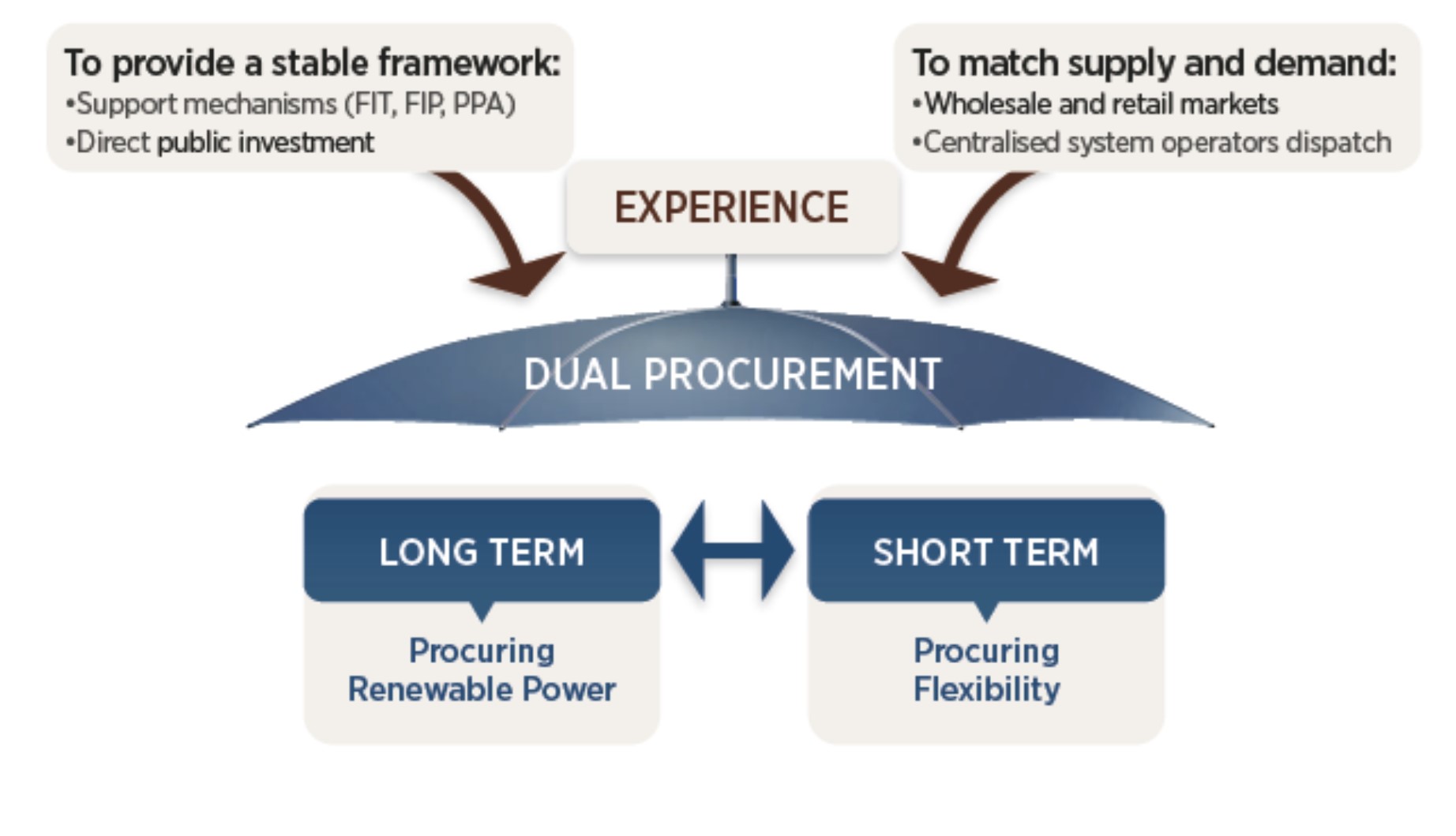
By 2030, 60 percent of the globally installed electricity could come from wind and solar. This is why the International Renewable Energy Agency (IRENA)’s World Energy Transitions Outlook published earlier this year places the power sector at the heart of the global energy transition, with an increased role for variable renewable energy (VRE) and electrification of end uses. But governments today face the challenge of successfully integrating renewable power at a rapid pace, while keeping overall system costs in check and fostering the socio-economic benefits of widespread electricity access. Power system organisational structures designed with the blueprint of the fossil fuel era can constrain flexibility, limit the supply of renewable power, increase electricity costs and reinforce social inequalities. The new IRENA report, RE-organising power systems for the transition underscores the need for power system structures that are fit for the renewable era. “Variable renewable energy characteristics call for reshaping current rules and regulations, which are built on the legacy of an era when generation depended on large centralised and dispatchable power plants and demand played no active role,” said Francesco La Camera, IRENA Director-General, in his opening during the release of the report at the IRENA Policy Talk today. He also emphasised the importance of putting structures in place to guide the procurement and cost allocation of electricity and flexibility that will ultimately support just and inclusive energy transitions. Introducing the key findings of the report at the virtual Policy Talk, IRENA expert, Emanuele Bianco, said, “We should keep in mind that the energy sector is embedded within the economy and supplies its needs. The operational goal of the power system is to guarantee the supply of electricity to users, while the additional goals relate to technical, economic, environmental and social dimensions.” To ensure that power systems are flexible, align demand and maximise the value for users and the whole society, the current power procurement systems must be reorganised on the basis of the procurement and remuneration of the two main pillars of a renewable-based power system; variable distributed generation and flexibility. As such, a renewable-based power system requires a holistic view and ‘dual procurement’ organised around renewable electricity and flexibility to accommodate high shares of wind and solar energy. The conceptual shift introduced in the dual procurement approach is to put long-term renewable electricity procurement alongside short-term flexibility procurement as two different procurement schemes. By splitting the procurement of renewable electricity and flexibility into two complementary procurement mechanisms, the dual procurement proposal addresses the misalignments of current structures ranging from externalised climate change and air pollution to wrong price signals, which discourage investment and cause unreliable power supply.
Read IRENA’s RE-organising Power Systems for the Transition. |
| URL | 查看原文 |
| 来源平台 | International Renewable Energy Agency |
| 文献类型 | 新闻 |
| 条目标识符 | http://119.78.100.173/C666/handle/2XK7JSWQ/349347 |
| 专题 | 气候变化 |
| 推荐引用方式 GB/T 7714 | admin. Reorganising the Power System for a Renewable-based Future. 2022. |
| 条目包含的文件 | 条目无相关文件。 | |||||
| 个性服务 |
| 推荐该条目 |
| 保存到收藏夹 |
| 查看访问统计 |
| 导出为Endnote文件 |
| 谷歌学术 |
| 谷歌学术中相似的文章 |
| [admin]的文章 |
| 百度学术 |
| 百度学术中相似的文章 |
| [admin]的文章 |
| 必应学术 |
| 必应学术中相似的文章 |
| [admin]的文章 |
| 相关权益政策 |
| 暂无数据 |
| 收藏/分享 |
除非特别说明,本系统中所有内容都受版权保护,并保留所有权利。




修改评论